





By Lewis C. Y. HO, Lewis & Davis Patent Attorneys Office
In the bustling Taiwanese market, establishing and safeguarding your brand identity is paramount for business success. The Taiwan trademark registration process serves as a crucial tool for protecting a mark consisting of unique symbols, names, and logos, providing exclusive rights to their use. This comprehensive guide aims to illuminate the intricacies of trademark registration in Taiwan, empowering businesses to navigate the process effectively and secure their intellectual property assets.
Contents
1. What Can be Registered as a Trademark in Taiwan?
2. The Trademark Registration & Opposition Process in Taiwan
3. Reasons for Refusal of a Trademark Application in Taiwan
4. Documents Required for Trademark Registration in Taiwan
6. Why File a Trademark in Taiwan?
1. What Can be Registered as a Trademark in Taiwan?
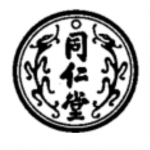
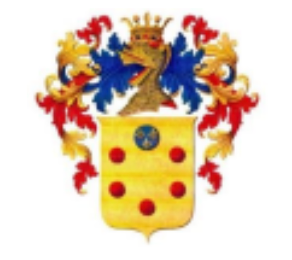
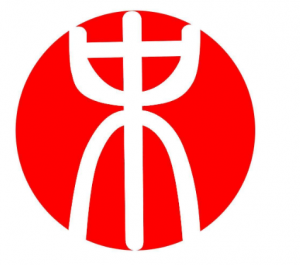
In Taiwan, the Taiwan Intellectual Property Office (TIPO) allows registration of traditional trademarks and non-traditional trademarks. The traditional trademarks is a word, phase, symbol or combination thereof, that is used by a person in the course of business to identify and distinguish the source of goods or services. The non-traditional trademarks include color, sound, three-dimensional shape, hologram, motion and scent trademarks. Generally, depending on the nature of rights, the trademarks are divided into four types, including trademark, collective trademark, collective membership mark, and certification trademark, as illustrated follows:
1. Trademark:
 |
 |
 |
 |
| TM 02122225 | TM 00654915 | TM 113017472 | TM 02095577 |
2. Collective Trademark:
 |
|
 |
 |
| TM 01423592 | TM 01985567 | TM 01406937 | TM 01518828 |
3. Collective Membership Mark:
 |
 |
 |
 |
| TM 00000300 | TM 01173660 | TM 01122657 | TM 01451109 |
4. Certification Mark:
 |
 |
 |
 |
| TM 00000057 | TM 01157388 | TM 02055426 | TM 02126697 |
The scope of trademarks eligible for registration in Taiwan is broad and is allowed to encompass various elements/signs according to Taiwan Trademark Act. For example, a mark may consist of words, designs, devices, symbols, logos, brand names, letters, numerals, colors, product shapes, packaging shapes, three-dimensional shape of an article, and even sounds, motions, dynamics, holograms, etc. or any combination thereof.
However, to qualify for registration, trademarks must possess distinctiveness, distinguishing them from generic or descriptive terms.
In Taiwan, the “distinctiveness” is judged in the whole view of a mark from the consumers’ perception by considering the relationship between the trademark and the designated goods or services, as well as whether the mark can directly and obviously indicate the source of goods or services or not.
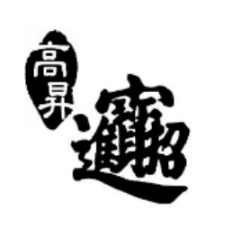
If having “distinctiveness”, even a mark purely consisting of common congratulatory and auspicious words such as a happy marriage, early birth of a child, everything goes well, good luck, good fortune, etc., or commonly used words of blessing and prayer also could be registered as a trademark.
For example, some of marks consisting of Chinese blessing wordings illustrated below are deemed having “distinctiveness” and allowed to be registered as a trademark in Classes 25, 30, or 33.
Examples of Marks having “Distinctiveness” (Registration of Trademark)
 |
 |
 |
 |
| TM 01932553
Class 25 |
TM 01819016
Class 25 |
TM 01525677
Class 33 |
TM 01780543
Class 30 |
(* For each illustrated trademark, the applicant has been disclaimed the exclusive rights to those Chinese blessing wordings to reply to the refusal reasons stated in the Office Action.)
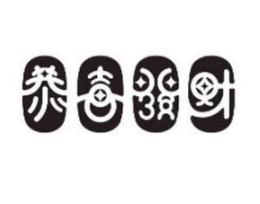
However, some marks consisting of Chinese blessing wordings illustrated below are deemed not having “distinctiveness” and rejected to be registered as a trademark in Classes 9, 25, or 34, etc.
Examples of Marks without “Distinctiveness” (Refusal of Registration)
 |
 |
 |
 |
| App. No. 101062660
Class 25 |
App. No. 108070820
Class 25 |
App. No. 088055289
Class 9 |
App. No. 092074328
Class 34 |
Additionally, trademarks that closely resemble existing registered marks may encounter challenges during the application process, highlighting the importance of conducting thorough searches before filing.
Trademark applications in Taiwan may face refusal for several reasons, including lack of distinctiveness, similarity to existing marks, deceptive elements, or infringement upon public order or morality. Moreover, trademarks that conflict with prior rights, such as well-known trademarks or geographical indications, may encounter opposition. Conducting comprehensive searches and crafting distinct trademarks are essential steps in mitigating the risk of refusal.
*Brands reproduced below are the exclusive property of their owners and are only provided as samples for educational purposes.


2. The Trademark Registration & Opposition Process in Taiwan
1. Pre-filing Activities:
Conduct a trademark search: It is a good idea to carry out some research before starting to do business with a trademark. Performing a trademark search before deciding which trademark to register is a wise thing to do, especially when you consider future risks of litigation. It may not be in your best interest to use a mark if another company is already actively conducting business in the same class. Thus, conducting a diligent search to identify any existing trademarks that may conflict with their proposed mark prior to filing an application is recommended. Use iPNOTE AI search tool to conduct a search for free!
Define the scope of protection: Applicants must precisely delineate the goods or services associated with their trademark and classify them according to the international classification system.
Appoint a local agent: Foreign applicants are required to appoint a local agent authorized to represent them before the Taiwan Intellectual Property Office (TIPO).
2. Filing the Application:
Prepare the application documents: These include a representation of the trademark, a list of covered goods or services, proof of fee payment, and any priority documents if claiming priority based on an earlier application.
Submit the application to TIPO: Applications can be submitted electronically or in hard copy, accompanied by the necessary documents and fees. Also see how to register a trademark in Hong Kong.
3. Examination:
TIPO examines the application by conducting “Formality Examination” initially to check if the application can satisfy the formality requirements, and then “Substantive Examination” to ensure whether it is in compliance with legal requirements and assesses whether there are potential conflicts with existing trademarks or not. If the application meets all criteria, it proceeds to publication in the official gazette for opposition purposes; otherwise, TIPO will refuse the trademark application.
Generally, “Formality Examination” and “Substantive Examination” examine the following requirements in respect to:
(1) Formalities;
(2) Classification;
(3) Descriptiveness (*Absolute Grounds for Refusal);
(4) Distinctiveness (*Absolute Grounds for Refusal);
(5) Conflict with prior registration (*Relative Grounds for Refusal).
* Trademark Disclaimer
If a trademark includes any descriptive or non-distinctive words or figures, the applicant can choose to disclaim the exclusive rights to these elements before a decision on examination is issued.
During the examination process, the Trademark Examiner will search for prior registered trademarks similar to the application. If issues are found, an Office Action will be issued to the applicant, who can then present arguments or amend the description of goods/services. Typically, the applicant is given one or two attempts to address all outstanding objections.
4. Registration:
Once the application is deemed allowable, the examiner will issue an Approval Decision. The applicant shall pay the registration fee within 2 months. TIPO then grants and publishes the trademark in the Trademark Gazette, as well as issues a certificate of registration to the applicant, granting the applicant exclusive rights to use the trademark in connection with the designated goods or services.
5. Publication:
The trademark application is published in the official gazette for a three-month opposition period.
In the Trademark Gazette, the following particulars are published in traditional Chinese.
(1) Name of mark;
(2) Name of applicant;
(3) Address of Taiwanese applicant, or Nationality of a foreign applicant;
(4) Application number;
(5) Application date;
(6) Goods/Services;
(7) Priority claim information; and
(8) Representation of the trademark.
6. Opposition:
Third parties (anyone) may file an opposition against the registration of the trademark application within a 3-month opposition period after the trademark registration is approved and published in the trademark gazette.
The opposition may cite reasons based on grounds such as:
(1) existing prior rights (for example, the trademark is similar to or identical with an earlier registered trademark, etc.); or
(2) lack of distinctiveness (for example, the trademark is descriptive of the goods/services, etc.); or
(3) the trademark is considered generic for those goods/services, etc..
Both the applicant and the opponent have opportunities to submit evidence and arguments to support their respective positions. If the opposition is successful, the registration of the trademark application will be restricted in scope or withdrawn.
7. Renewal
The term of trademark in Taiwan is 10 years from the registration date. After the trademark is registered, the applicant should pay the renewal fees starting from 6 months before the trademark expires in order to keep the trademark alive.
3. Reasons for Refusal of a Trademark application in Taiwan
TIPO conducts a thorough examination of trademark applications, assessing them based on
both absolute and relative grounds. Failure to meet the following criteria may result in the refusal of your trademark application:
Absolute Grounds for Refusal:
1. Lack of Distinctiveness:
If the mark merely describes the quality, intended purpose, material, place of origin, or relevant characteristics of the designated goods or services.
2. Genericness:
If the mark consists exclusively of a generic term for the designated goods or services.
3. Lack of Inherent Distinctiveness:
If the mark consists exclusively of other signs that have no inherent distinctiveness.
4. Other Reasons:
For example, if the mark is identical or similar to national flags, emblems, seals, or state flags of Taiwan or other countries, or if it goes against public policy or accepted principles of morality.
Relative Grounds for Refusal:
1. Likelihood of Misleading the Public:
If the trademark is likely to mislead the public about the nature, quality, or place of origin of the goods/services.
2. Conflict with Earlier Trademarks:
If the trademark is identical or similar to earlier trademarks for identical or similar goods/services, and is likely to confuse relevant consumers.
3. Similarity to Well-Known Trademarks:
If the trademark is similar to a well-known trademark, causing a likelihood of
confusion among the relevant public.
4. Other Reasons:
For instance, if the trademark contains the name of a well-known person, juridical person, or business, leading to a likelihood of confusion among the relevant public.
4. Documents Required for Trademark Registration in Taiwan
Applicants must compile a set of documents for trademark registration in Taiwan, including:
- A reproduction of the trademark with resolution more than 300 dpi
- A list of goods or services covered by the trademark, and their Chinese translations (accommodate to the Chinese Classification of Goods and Services published by TIPO, which is more detailed compared to “NICE CLASSIFICATION”)
- Proof of payment of the application fee
- Power of Attorney (**Foreign applicants must entrust a local lawyer, a patent attorney, or a trademark agent as a representative of the applicant for communication with TIPO throughout the registration process.) and its Chinese translation
- Priority documents and their Chinese translations. (**If claiming priority, the Taiwan application shall be submitted within 6 months after the filing date of the first application or an earlier application)
5. Trademark Costs in Taiwan
The total cost varies depending on factors such as the number of designated goods/service, the number of classes covered by the trademark and any additional services required. Despite these expenses, trademark registration in Taiwan is generally considered cost-effective compared to other jurisdictions.
Filing Phase
| Professional fee (for 20 items of goods per Class pertain to Classes 1 ~34) | $200 |
| Professional fee (for 5 items of retail services pertain to Class 35;) | $200 |
| Professional fee (for the services service per Class pertain to Class 35 excluding retail service and Classes 36 ~45;) | $200 |
| Professional fee (will be charged for each additional item of goods beyond the initial 20 items per Class, applicable to Classes 1 through 34;) | $5 |
| Professional fee (will be charged for each additional item of retail services beyond the initial 5 items of Class 35;) | $5 |
| Government fee (for 20 items of goods per Class pertain to Classes 1 ~34;) | $100 |
| Government fee (for 5 items of retail services pertain to Class 35;) | $100 |
| Government fee (for the services service per Class pertain to Class 35 excluding retail service and Classes 36 ~45;) | $100 |
| Government fee (will be charged for each additional item of goods beyond the initial 20 items per Class, applicable to Classes 1 through 34;) | $8 |
| Government fee (will be charged for each additional item of retail services beyond the initial 5 items of Class 35;) | $17 |
| Professional fee (per Class, applicable to Classes 1 through 45;) | $150 |
| Government fee (per Class, applicable to Classes 1 through 45;) | $85 |
The trademark registration cost in Taiwan via the iPNOTE platform starts from as low as $300, which includes all government fees. Find the best trademark agent in Taiwan via iPNOTE.
6. Why File a Trademark in Taiwan?
In Taiwan, trademark protection follows a first-to-file system instead of a first-to-use system. Additionally, Taiwan is not a member of WIPO or the Madrid Union. This means that the Madrid system, which allows for the registration and management of trademarks worldwide, cannot be used to register a trademark in Taiwan, R. O. C.
Thus, trademark registration is crucial to protect your brand identity and secure exclusive rights to your unique mark in Taiwan. Particularly, in comparison with using a mark first on products or services in commerce, it is the most important to file a trademark application as early as possible, for protection of that mark in Taiwan.
Registering your trademark in Taiwan can establish your brand identity of the goods or services provided, making it easier for consumers to recognize and remember them, and giving you the exclusive right to use the mark in connection with the goods or services listed in the register.
Generally, trademark registration in Taiwan offers a host of benefits, including:
- Legal Protection against Infringement: A registered trademark provides a legal presumption of ownership and validity, making it enjoy statutory protection under the law, making enforcing rights easier to defend against infringers and to take legal action against unauthorized use or preventing infringement.
- Exclusive Rights and Market Exclusivity: Trademark registration grants the owner exclusive rights to use the mark in connection with the goods or services the registration covers.
- Brand Recognition, Brand Value and Goodwill/Trust: A registered trademark helps build brand recognition and consumer confidence, enhances brand value, consumer trust, and brand loyalty contributing to the goodwill and reputation of the business.
- Licensing and Monetization: Registered trademarks can be licensed or franchised, providing opportunities for revenue generation and business expansion.
- Asset Creation: A registered trademark becomes an intangible asset with a monetary value, adding to the company’s net worth.
- Competitive Advantage: Trademark registration gives businesses a competitive edge, helping them stand out in the market.
Filing a trademark in Taiwan yields numerous advantages for businesses operating in the region. Trademark registration grants exclusive rights to use the mark in connection with designated goods or services, safeguarding against infringement and unauthorized use. Moreover, registered trademarks can be licensed or assigned, serving as valuable assets for brand monetization. Additionally, trademark registration enhances brand recognition and consumer trust, fostering market expansion and growth opportunities.
7. Conclusion
The Taiwan trademark registration process is a multifaceted journey that demands careful planning, thorough research, and strategic decision-making. By understanding the intricacies of the process and leveraging professional guidance when necessary, businesses can effectively protect their brand identity and capitalize on growth opportunities in the dynamic Taiwanese market. With its efficient registration system, robust legal framework, and strategic positioning in the Asia-Pacific region, Taiwan remains an attractive destination for businesses seeking to establish and safeguard their trademarks.
***
Have questions about trademark registration in Taiwan? Contact Lewis & Davis Patent Attorneys Office via iPNOTE.
The iPNOTE platform features more than 800 IP law firms that cover more than 150 countries, so you can always find the right direct service provider using our flexible filtering system.
Start protecting your IP in Taiwan with our AI Assistant now.
Check your brand originality with our AI trademark search tool for free!
Sign up for free, and we’ll help you solve any IP-related problem.
Protect your brand with our comprehensive trade mark search in Canada. Ensure your brand’s uniqueness and avoid potential conflicts with our expert services. Start your trade mark search in Canada today and secure your brand’s identity!