



Content
1.The Reality: When You’re Not Using an IPMS
2.What Centralized IP Management Actually Looks Like
Managing intellectual property is more than keeping track of a few filing dates. It’s a continuous, high-stakes process involving deadlines, jurisdictions, legal requirements, budget control, and coordination between internal and external stakeholders. And yet, many companies, especially those in niche industries or growing markets, still rely on Excel spreadsheets or basic tools to manage their IP portfolio.
The result? Missed deadlines, loss of rights, communication gaps, and an overall lack of control. If this sounds familiar, it might be time to consider centralized IP management through an IPMS (Intellectual Property Management System).
In this article, we’ll explore the challenges of decentralized IP management, what centralized management actually looks like, and how implementing an IPMS can help you prevent risks, save time and money, and build a truly strategic IP portfolio.
The Reality: When You’re Not Using an IPMS
Whether you’re part of a legal team at a mid-size company, a tech startup with a handful of patents, or a solo IP manager juggling filings in different regions, the challenges of decentralized IP management are very real. Here are some of the most common pain points we see:
1. Missed Deadlines = Lost IP Rights
One of the biggest risks of managing IP manually is missing a deadline. Patent renewals, office action responses, and trademark maintenance filings all come with strict timelines. A single missed date can result in:
- Loss of IP rights (sometimes permanently)
- Financial losses due to re-filing or litigation
- Damage to your company’s reputation and brand
In decentralized systems, these deadlines often live in spreadsheets, personal calendars, or even email reminders — a setup that is highly prone to human error.
2. Lack of Centralized Oversight
When IP data is spread across folders, email threads, different tools, and even different people, it’s nearly impossible to get a holistic view of your IP portfolio. This makes it difficult to:
- Understand the current status of filings
- Know which assets need immediate attention
- Generate reports or summaries for management
- Ensure everyone is working from the same information
It’s a common scenario: one person manages trademarks, another handles patents, and nobody knows where the contracts or official correspondence are stored. This fragmented approach creates operational inefficiency and increases legal risk.
3. Spreadsheets Can’t Scale
Excel and Google Sheets are great for initial tracking — and that’s about it. They lack the built-in capabilities required for true IP management:
- No automatic deadline tracking or reminders
- No structured workflows or audit trails
- No secure document storage
- No integration with patent/trademark databases
- No role-based access control
As your IP portfolio grows, so do the limitations of spreadsheets. What worked for 5 records quickly becomes unmanageable at 50 or even 15.
4. Budget Constraints Lead to Hidden Costs
Many companies try to “save money” by avoiding dedicated IP software. Ironically, this often leads to higher costs over time:
- Paying external attorneys to do manual tasks that could be automated
- Filing duplicate or unnecessary applications
- Losing rights due to administrative mistakes
- Wasting time preparing manual reports for investors or management
With the right IPMS, you not only reduce these risks, but you also gain access to built-in tools like budget tracking, deadline calculators, and discounted IP search services — all of which help you stay within budget without compromising quality.
What Centralized IP Management Actually Looks Like
Now let’s look at the alternative: centralized IP management with a professional IPMS platform. It’s not just about technology, it’s about creating a clear, repeatable process that supports growth, compliance, and strategy.
Here’s what you gain with a centralized approach with iPNOTE:
Deadline Automation
Automatic reminders for renewals, filings, and office actions customizable for your workflow. Everyone involved knows what’s due and when.
Unified Portfolio View
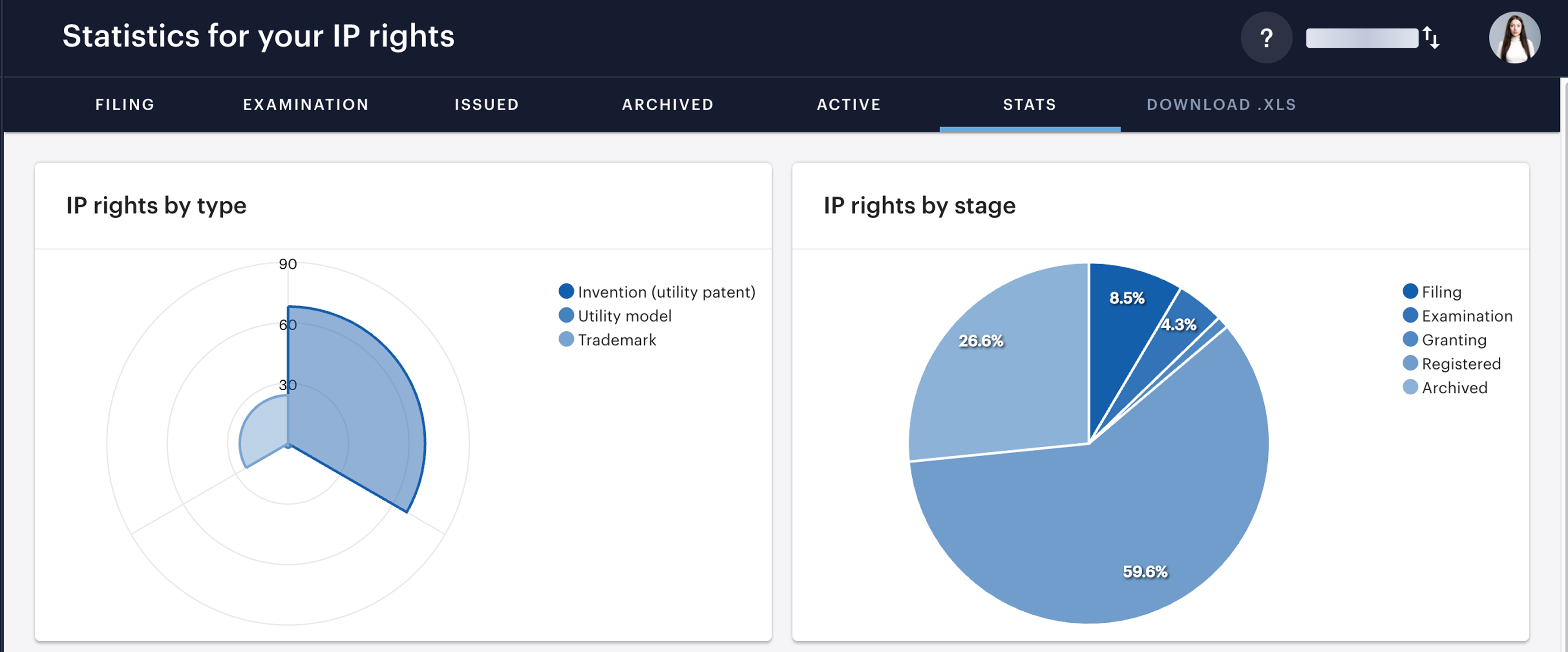
One dashboard to view patents, trademarks, copyrights, domains with filters by status, country, owner, or responsible team member.
Secure Document Storage
Store all related documents (filings, certificates, contracts) in one place with version history, access control, and encryption.
Collaboration Tools
Assign tasks to team members or external agents, track progress, and communicate within the platform — no more endless email chains.
IP Searches & Monitoring
Integrated search tools for patents and trademarks, at lower cost than external firms, so you can monitor competitors or new filings in your industry.
Audit Trails & Reporting
Need to show an investor what’s in your IP portfolio? Or create a report for a due diligence process? It’s all a few clicks away, no manual compiling needed.
Who Needs IPMS the Most?
While any company with valuable IP can benefit from centralized management, it’s especially important for organizations in the following categories:
- Growing startups managing early-stage patents and trademarks
- SMEs entering international markets with limited legal resources
- Universities and R&D teams juggling multiple filings across disciplines
- In-house legal teams looking to reduce outside counsel costs
- Franchise businesses or consumer brands with complex trademark portfolios
If you’re currently using spreadsheets or working across disconnected tools, the time to switch is now — before a critical deadline slips through the cracks.
Why Now?
Moving to an IPMS might feel like a big step, especially if you’ve been using a manual system for years. But the benefits are immediate:
- Peace of mind from automated deadlines
- Clear visibility into your entire IP strategy
- Time saved on admin and reporting
- Lower legal risk and fewer “fire drills”
- More room in your budget to invest in growth
And with flexible pricing, including a freemium plan and onboarding, you can try iPNOTE IPMS without risk and see the impact for yourself.
Ready to Take Control?
Make the switch from chaos to clarity:
Try the Freemium Plan: explore the platform with no time limits and see how it fits your needs
Book a Free Demo: we’ll walk you through a real-world use case tailored to your portfolio